
Home Care Resources
Clear, practical guides for families making decisions about support at home. Start with the question you are facing, then explore planning, dementia support, specific health and care situations, home safety, everyday support, caregiver selection, care options, costs, payment, and insurance.
Start with the question in front of you.
The library is organized around the decisions families most often need to make.
Find a guide by topic or by what is happening at home.
No resources matched that search. Try a broader term, or clear the search to browse every topic.
Planning what comes next
Use these guides when something has changed at home and you are deciding whether help is needed, how to talk about it, or what an assessment should cover.

How to Talk to an Aging Parent Who Refuses Help
How to understand resistance, preserve independence, introduce home care, and move toward a practical next step.

7 Signs an Aging Parent May Need Help at Home
Practical changes in daily routines, mobility, meals, memory, household function, and family capacity that deserve a closer look.

What to Do When an Aging Parent Needs Help
A step-by-step path from observations and health questions to family discussion, assessment, and a workable care plan.
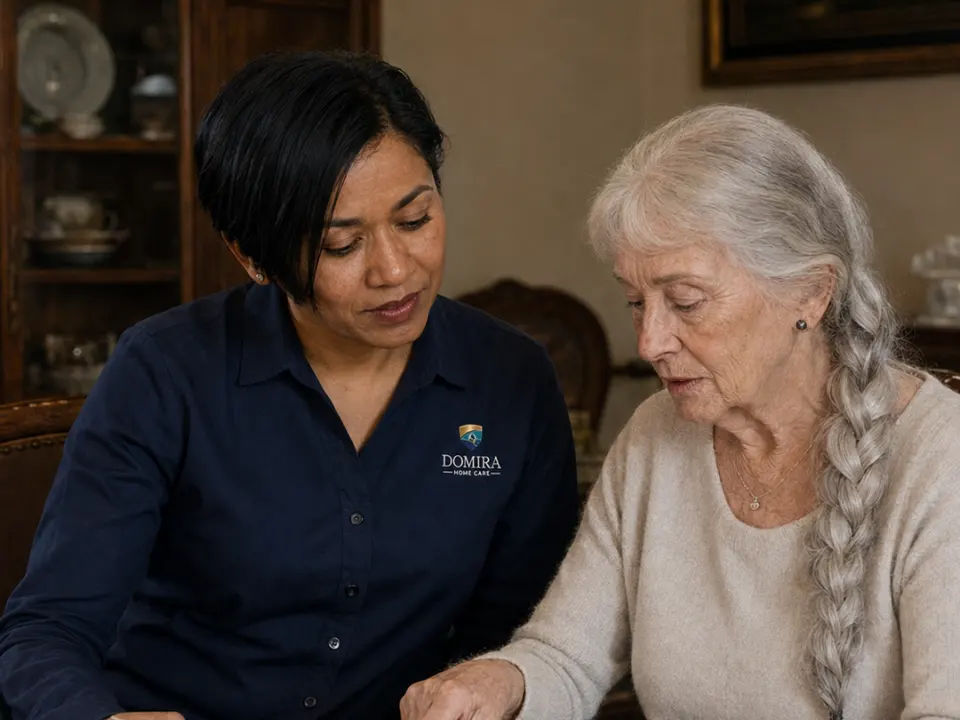
What Happens During a Home Care Assessment?
What a thorough assessment reviews, who should attend, how to prepare, and how the findings become a practical care plan.

How Much Home Care Does My Parent Need?
Choose useful hours around daily routines, the times help matters and family availability.

When You Live Far Away From an Aging Parent
Build local support, clear family responsibilities and an agreed update plan when you live in another city or state.

When Siblings Disagree About Care for an Aging Parent
Navigate disagreements about an aging parent’s care with a shared task list, respect for the parent’s wishes, and practical next steps.
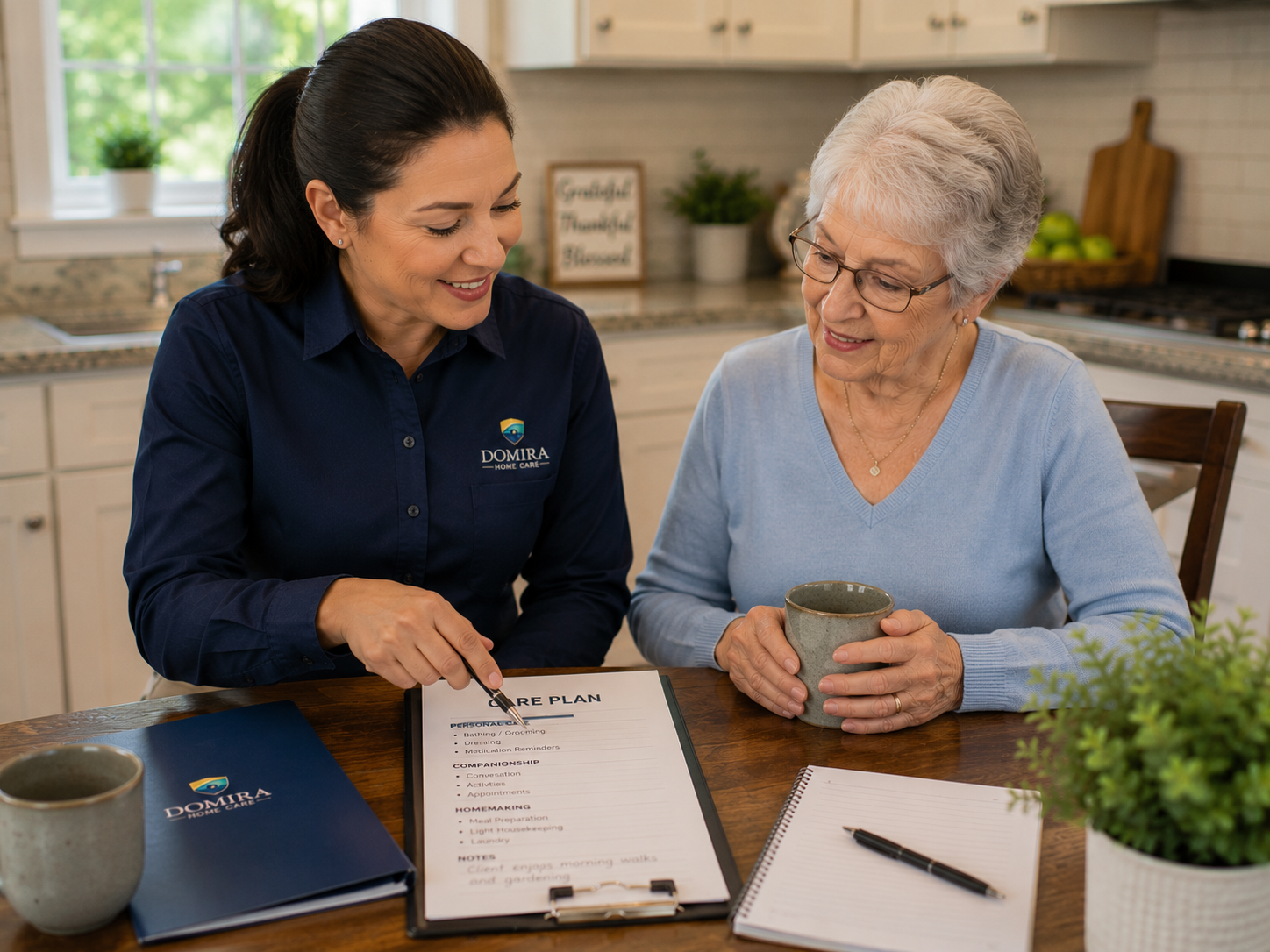
Organizing Care Information for an Aging Parent: A Family Handoff Guide
Create a practical family handoff for an aging parent, including contacts, routines, appointments, and non-medical care preferences.

When Is It No Longer Safe for an Aging Parent to Live Alone?
Assess changes in daily functioning, home safety, and supervision needs without relying on age alone. Learn how to plan next steps.

Adjusting a Home Care Schedule as a Parent's Needs Change
Recognize when to adjust caregiver hours or shift timing as a parent’s routines, assistance needs, and family availability evolve.
Preparing the home, the routine, and the transition
Use these checklists to plan for aging in place, make the home safer, or prepare for the first days after a hospital discharge.

Aging in Place Checklist for Older Adults and Families
Review personal care, mobility, meals, transportation, home safety, social connection, family capacity, and future support needs.

Home Safety Checklist for Seniors
Review lighting, stairs, rugs, bathrooms, nighttime routes, walking paths, emergency access, and changing mobility needs.

Hospital Discharge Checklist for Older Adults
Prepare medications, follow-up, equipment, mobility, meals, transportation, warning signs, and the first-week support schedule before leaving the hospital.

Coming Home From Short-Term Rehab: What Families Should Arrange Before Discharge
Prepare a safe daily routine after short-term rehabilitation, coordinate discharge instructions, and arrange appropriate help at home.

Making Home Routines Safer for an Older Adult With Low Vision
Make everyday routines easier to navigate for an older adult with low vision through lighting, household organization, and appropriate help.

Wheelchair-Friendly Home Routines: Practical Accessibility and Caregiver Assistance
Plan accessible home routines for a wheelchair user, from clear paths and household setup to appropriate non-medical assistance.

What to Share With a New Home Caregiver Before the First Shift
Prepare a practical first-shift handoff covering preferred routines, mobility considerations, contacts, and respectful personal care.
Understanding what help at home can actually look like
These guides explain day-to-day support at home, including companionship, homemaking, personal care, medication reminders, caregiver duties, dementia routines, overnight care, and continuous coverage.

What Is Companion Care for Seniors?
What companion care includes, how it differs from personal care, what a typical visit can look like, and when families use it.

More Than a Ride: Appointments & Outings
Plan caregiver support getting ready, attending the visit and settling back home.

Homemaking Services for Seniors: What They Include
Meals, laundry, groceries, light housekeeping, household routines, and the difference between homemaking, personal care, and cleaning services.

Overnight Home Care vs. 24-Hour Home Care
Compare awake overnight care, extended shifts, and continuous shift-based 24-hour home care, including when each schedule fits.

What Does an In-Home Caregiver Do?
A practical guide to caregiver duties, ADLs and IADLs, meals, mobility, reminders, transportation, companionship, homemaking, and non-medical boundaries.

Medication Reminders for Seniors: What Home Care Can and Cannot Do
How reminders fit into non-medical home care, where Domira's role stops, and when medication questions need the clinical team.

Bathing Assistance for Older Adults
How home care can support bathing with privacy, fall prevention, hands-on help, dementia-aware routines, and respect for independence.
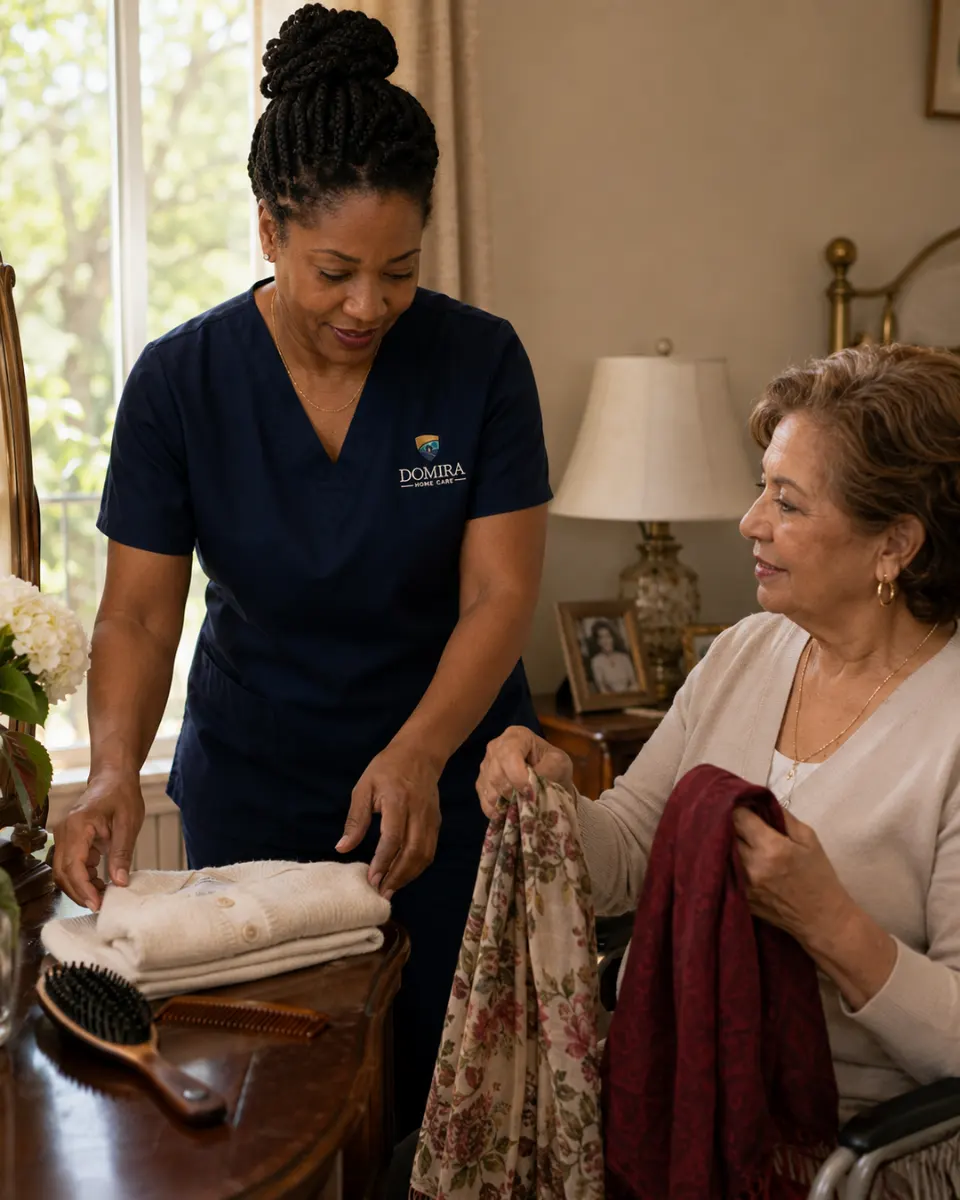
Toileting & Incontinence Care With Dignity
Respectful bathroom assistance, privacy, familiar routines and support that lets family remain family.

Dementia Caregiver Tips for Supporting Someone at Home
Practical ways to use familiar routines, simpler communication, meaningful activity, home safety, continuity, and a sustainable family care plan.

Supporting an Adult With an Intellectual or Developmental Disability at Home
Practical planning for strengths, routines, communication, decision-making support, caregiver fit, family roles, first-week transitions, and when the plan should change.

When Companion Care Is No Longer Enough: Recognizing the Need for Hands-On Help
Understand the differences between companion care and hands-on personal assistance, and when changing support may help an aging parent.

When an Aging Parent Starts Skipping Meals: What Families Should Look At First
Explore practical non-medical meal support for an aging parent who skips meals, including homemaking, companionship, observation, and clinical referral.

When an Aging Parent Struggles With Transfers and Daily Mobility
Explore non-medical mobility assistance, safer home routines, caregiver fit, and when to involve a licensed professional for assessment.

When an Aging Parent Should Stop Driving: Keeping Daily Life Working
Learn how families can discuss changing driving needs while preserving an older adult’s independence, appointments, and social routines.

When an Aging Parent Refuses to Bathe: Respectful Ways to Offer Support
Explore respectful approaches to bathing reluctance that protect privacy, choice, dignity, and practical non-medical caregiver support.

When an Older Adult Becomes Anxious at Night: Routines, Reassurance, and Support
Understand how calm evening routines, familiar surroundings, and suitable non-medical support may help an older adult feel reassured.
Start with the problem your family is actually facing
These guides connect common diagnoses, health changes, and care situations to the practical support families may need at home.

Early Signs of Dementia: What Families Should Notice
Common patterns families notice, when changes deserve medical evaluation, and how to think about safety and support at home.

Hospice vs. Palliative Care: What's the Difference?
Understand when each care model is used, how treatment goals differ, and where home care can support daily life alongside either one.

Caring for Someone With Parkinson's at Home
Practical planning for mobility, personal care, meals, transportation, medication reminders, safety, and family respite.

ALS Home Care: Supporting Daily Life as Needs Change
How personal care, mobility help, household support, communication, family respite, and longer coverage can fit into life at home.

Fall Prevention for Seniors at Home
A layered plan for home hazards, lighting, bathrooms, mobility changes, higher-risk routines, and caregiver support.

Home Care for Someone With Cancer
Practical support during treatment or recovery with meals, transportation, personal care, household help, companionship, and family respite.

Post-Surgery Home Care: What Help at Home Can Look Like During Recovery
Personal care, meals, mobility support, errands, transportation, household help, and family respite during recovery at home.

Home Care for Heart Failure Patients
Daily routines, meals, reminders, transportation, personal care, household help, and family respite around the clinical plan.

Caring for Someone After a Stroke at Home
Daily support with personal care, mobility routines, meals, transportation, home organization, supervision, and family respite.

Sundowning in Dementia: What Families Can Do at Home
Practical ways to use routines, lighting, calm communication, activity, supervision, and caregiver timing during difficult evenings.

Agitation in Dementia: What Families Can Try at Home
How to look for triggers, lower stimulation, respond calmly, build familiar routines, and know when a sudden change needs clinical attention.

Dementia Wandering: Safety Planning for Families at Home
Supervision, routines, home safeguards, identification, emergency planning, and a dignified approach to wandering risk.

Multiple Sclerosis Home Care: Supporting Daily Life as Needs Change
Personal care, adaptive routines, meals, household help, transportation, companionship, and respite built around the person's goals.

When Your Spouse Has Dementia: Making Daily Care Sustainable
Care for a spouse with dementia while protecting routines, communication, and caregiver well-being. Explore structured non-medical support at home.

Introducing a New Caregiver to Someone Living With Dementia
Prepare a person living with dementia for a new in-home caregiver with familiar routines, thoughtful introductions, and family communication.

When Someone With Dementia Is Eating Less: Practical Support and When to Call the Care Team
When someone with dementia eats less, learn what daily routines can support comfort, what caregivers may observe, and when families should contact clinicians.

After an Older Adult Falls: Planning Non-Medical Support at Home
Plan non-medical assistance after an older adult falls, with safe household routines, family coordination, and clinical follow-up as needed.

Living at Home With Arthritis: Practical Daily-Life Assistance
See how non-medical caregivers can assist with dressing, meals, and household routines when arthritis makes daily tasks difficult.
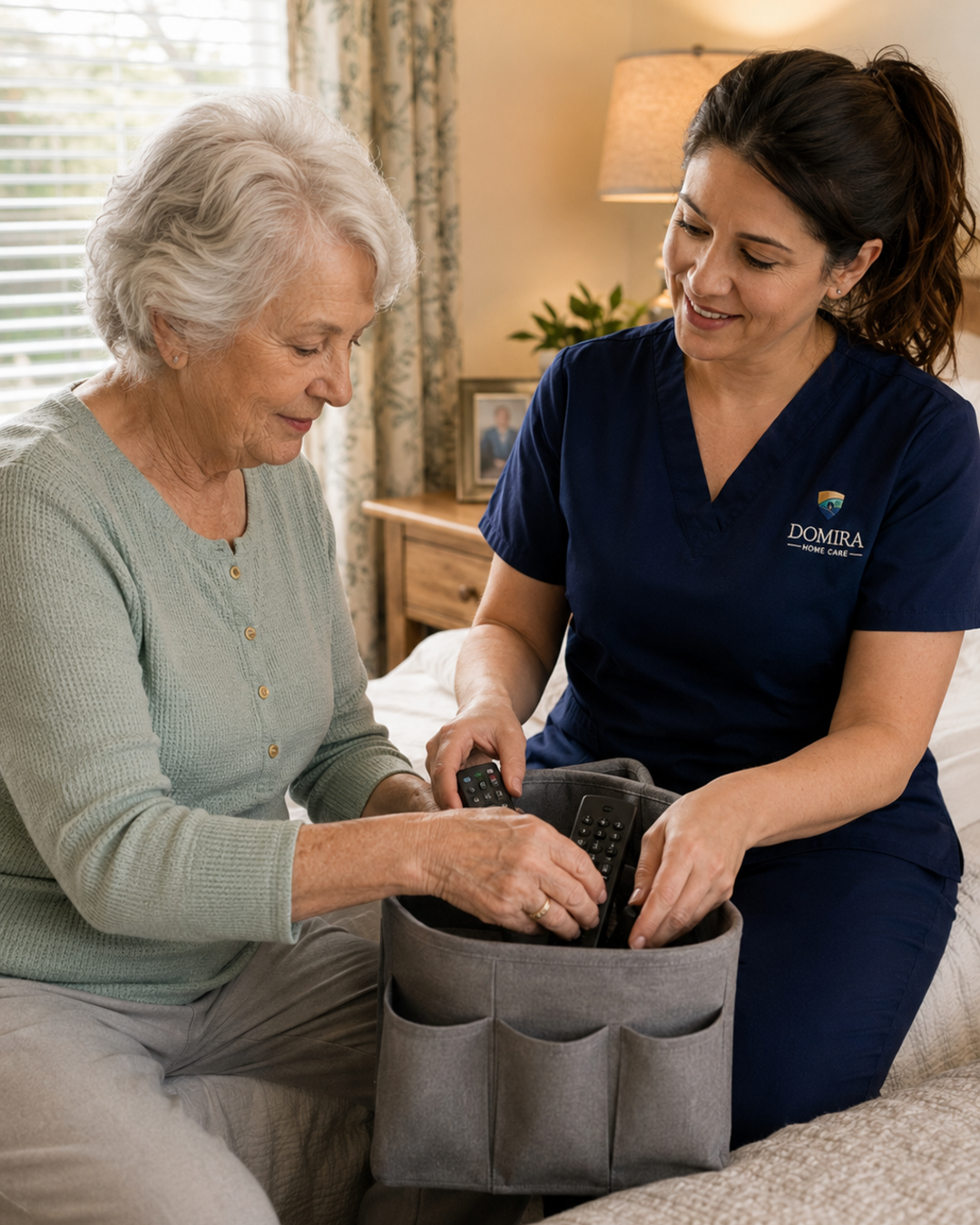
Living With COPD at Home: What Non-Medical Caregivers Can Help With
Explore practical home-care help for daily routines when an older adult lives with COPD, with all medical treatment kept with clinicians.

Planning Calmer Outings With a Loved One Who Has Dementia
Prepare calmer everyday outings for a loved one living with dementia through familiar routines, clear plans, and attentive assistance.
Choosing a caregiver or home care agency
Understand the hiring models, screening standards, matching questions, and agency responsibilities that shape a dependable care arrangement.

How to Find a Reliable Caregiver in North Texas
How to define the role, compare hiring models, screen candidates, interview for fit, and plan for continuity and backup.

Home Care Agency vs Private Caregiver
Compare employment, payroll, screening, scheduling, backup, supervision, insurance, and the responsibilities each model assigns to the family.

Caregiver Background Checks in Texas
Texas caregiver screening, employability checks, criminal history, references, experience, competency, driving qualifications, and the questions families should ask.

How to Choose a Home Care Agency: A Family Checklist
Compare licensing, caregiver screening, matching, continuity, backup coverage, supervision, communication, rates, and written terms.

What Happens When a Home Caregiver Calls Out or a Schedule Changes?
Know what to ask a home care agency about caregiver call-offs, backup arrangements, critical routines, and clear family communication.

How We Check Caregiver Fit During the First Week of Home Care
Learn what families should look for during the first week of home care, including caregiver compatibility, communication, and follow-up.

What Families Should Ask About Home Care Updates and Oversight
Know what to ask about care updates, continuity, responsibilities, and oversight when choosing private-pay non-medical home care.

What If the First Home Caregiver Is Not the Right Fit?
Learn how to evaluate a caregiver mismatch, communicate specific concerns, and discuss reassignment while respecting the client.
Comparing care options and supporting family caregivers
These guides explain where different kinds of support fit, how services can work together, and when temporary or supplemental care may help.

Home Care vs Home Health: What's the Difference?
A clear comparison of daily-living support and skilled home health, including Medicare boundaries and how the two can work together.

Home Care vs Assisted Living: Which Is Right?
Compare living setting, one-on-one support, housing, social environment, family role, clinical boundaries, and the full monthly cost.

One-on-One Care in Assisted Living & Memory Care
See how familiar one-on-one support can make daily routines and family time more personal, alongside community staff.

In-Home Respite Care: When Continuity Matters
What respite care can do, why caregiver continuity matters, and when recurring support may fit better than occasional low-hour relief.

Family Caregiver Burnout: Signs and What Helps
Recognize caregiver stress, understand when respite is enough, and know when recurring responsibilities need a more dependable support plan.

Hospice and Home Care: How They Work Together at Home
What hospice provides, why routine hospice is not around-the-clock bedside staffing, and how private non-medical home care can add practical support.

What Family Caregivers Still Do After Professional Home Care Begins
Learn what family caregivers still coordinate after home care begins, from preferences and provider updates to schedules and decisions.

Should a Parent With Dementia Move in With You? Questions to Ask Before Deciding
Compare practical, family, and safety questions before moving a parent with dementia into your home, including support schedules and care alternatives.

Working Full Time While Caring for an Aging Parent: Building a Sustainable Plan
Balance employment and an aging parent’s daily care needs with a realistic schedule, clear family responsibilities, and caregiver continuity.

What Happens When Home Health Visits End but Daily Help Is Still Needed?
Understand the transition from skilled home health visits to everyday non-medical support for household routines and personal care.
Understanding costs, payment, and insurance
Use these guides to plan a care budget, understand common payment sources, and know what to verify in an insurance policy before relying on coverage.

Home Care Cost in North Texas
Current North Texas rate context, monthly budget planning, what changes the total, payment options, and how to compare care arrangements.

How to Pay for Home Care in Texas
Private pay, long-term care insurance, short-term care insurance, VA pension benefits, Medicare home health, and Texas Medicaid explained.

Does Long-Term Care Insurance Cover In-Home Care?
How in-home care benefits, triggers, elimination periods, limits, provider rules, and claim documentation can work under a long-term care policy.

Short-Term Care Insurance in Texas: What Families Should Know
How limited-duration care coverage works, what to verify in the policy, and how it differs from long-term care and health insurance.

Private Pay Home Care: What It Means and How It Works
Understand direct payment, budgeting, Medicare boundaries, long-term care insurance reimbursement, and what an agency rate includes.
Still deciding where to start?
If your family's situation does not fit neatly into one guide, a conversation can help you sort through the options and identify a practical next step.