
About Domira Home Care
A nurse-founded, owner-led home care agency serving North Texas with thoughtful caregiver matching, continuity, clear family communication, and active oversight.
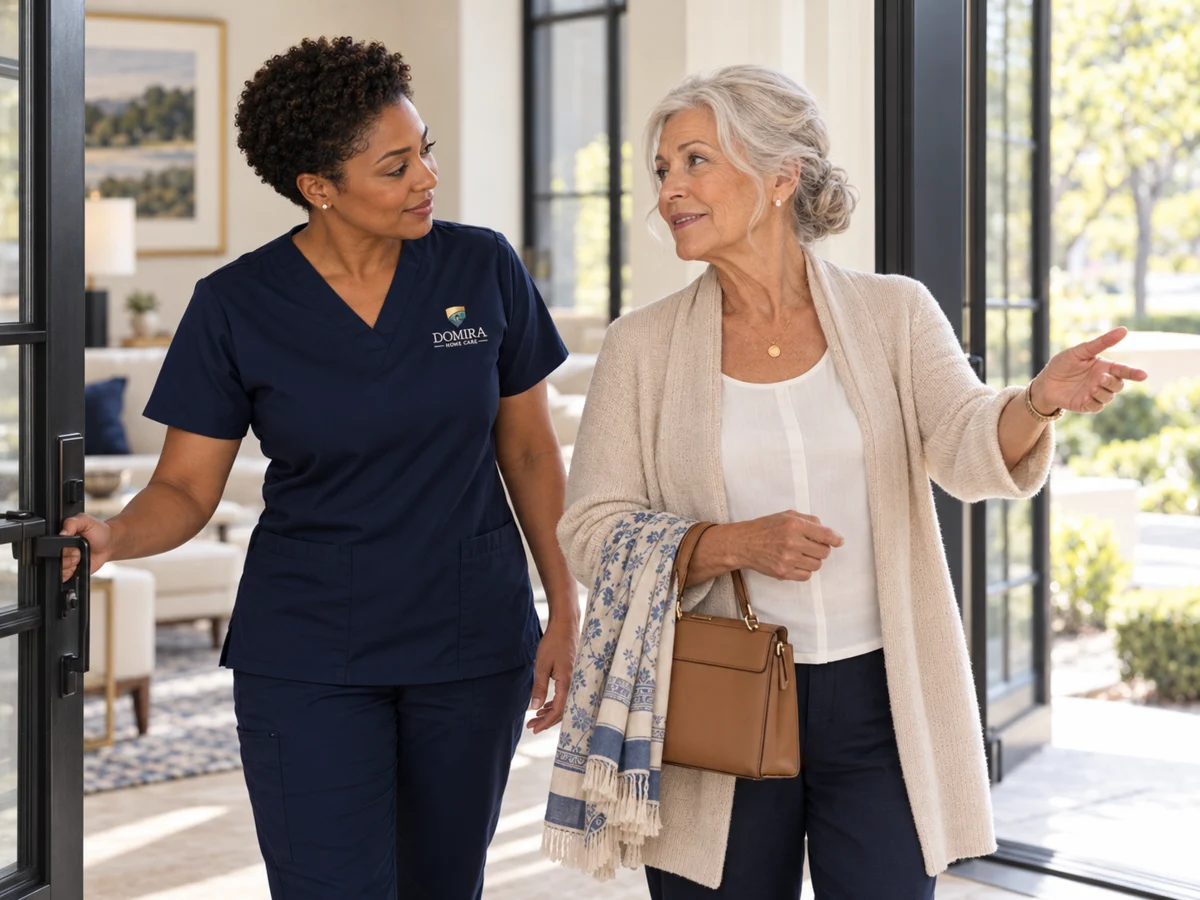
Our Mission
Protect dignity. Support independence. Deliver care families can trust.
Domira was built around a simple idea: good home care should protect a person's dignity and independence without making the family carry the entire care system alone.
We begin by understanding the person, the home, the routines that matter, the support that is needed, and what the family wants care to accomplish. From there, Domira combines careful assessment, intentional caregiver matching, continuity, proactive follow-up, and clear communication so care feels personal in the home and well managed behind the scenes.
How Domira Was Built
Home care often begins at a point when a family is already carrying a great deal. A parent may be returning home after hospitalization or rehabilitation, a spouse may be taking on more hands-on help than expected, or everyday routines may simply be getting harder to manage safely and consistently.
Our founder's work across acute care, long-term acute care, skilled rehabilitation, home health, hospice, memory care, and home care showed the same pattern from different angles: having services in place is not the same as having a care system that works well. Care can still feel fragmented when the plan does not reflect real life, the caregiver fit is weak, communication is inconsistent, or no one stays accountable once services begin.
Domira was designed to bring more structure to that part of the care journey. We are a private-pay, non-medical home care agency, but our approach is informed by an understanding of what happens before someone reaches home and what families need once they are there. The goal is not to make home feel clinical. It is to make care feel organized, dependable, personal, and easier for the family to trust.
The Details That Shape the Experience
Daily routines, mobility, meals, personal care, household needs, family roles, and communication all have to work together once someone is home.
Continuity, caregiver fit, and clear expectations are operational choices, not things families should have to hope happen on their own.
Starting care is only the beginning. Early follow-up and clear communication matter when the plan, schedule, or caregiver relationship needs adjustment.
Meet the Founder

Nick Julian
Founder & Administrator
Nurse Certified Dementia Practitioner Certified Assisted Living Manager
Nick Julian founded Domira Home Care after years of nursing and operational experience across the care continuum. His background spans ICU and medical-surgical nursing in long-term acute care, skilled nursing and rehabilitation, home health, hospice, memory care, and home care. His experience also includes more than two years as a charge nurse in a North Dallas skilled nursing setting and leadership across home-based care operations.
That experience gave him a close view of what families encounter as a person moves from acute illness through step-down care, rehabilitation, and eventually back home. He saw that the transition home succeeds or fails on details that are easy to overlook: whether the care plan reflects real life, whether the caregiver is the right fit, whether information follows the person, and whether someone stays accountable after services begin.
Domira was designed around those lessons. Assessment comes before assignment. Caregiver matching is deliberate. Continuity matters. Families receive clear communication, and the owner remains involved during the start of care and early follow-up so problems are identified and addressed rather than allowed to drift.
Nick remains closely involved in the standards and direction of the agency. His clinical background informs the questions Domira asks and the situations it recognizes, while the agency remains focused on private-pay, non-medical home care that supports daily life, dignity, independence, and family choice.
Why Domira Is Different
Good care depends on more than filling a schedule. The way care is assessed, matched, communicated, and followed matters.
Assessment Before Assignment
Care starts with understanding routines, preferences, care needs, family roles, household dynamics, and what the person wants to keep doing independently. See what a home care assessment reviews.
Matching for the Person
We match for experience, temperament, communication style, schedule, household fit, and personality because trust matters inside someone's home.
Familiar Caregivers & Continuity
We prioritize familiar caregivers and a small, consistent care team, with one care plan carrying meaningful information forward.
Owner-Led Start & Follow-Up
The owner remains involved in the start of care and early follow-up, while family communication and care-plan adjustments stay active as care settles in.
Care Should Protect Family Roles, Too
Home care is not only about completing tasks. It is also about deciding what the person and family want their relationships to look like.
Professional support can take on appropriate day-to-day care so a spouse can remain primarily a spouse or partner, and an adult child can remain primarily family. Some families want to stay closely involved in hands-on care. Others want more of that responsibility carried by a professional caregiver. The care plan should respect that choice.
Domira's role is to provide the structure, dependable support, and communication that make those choices easier to sustain.
Care Starts With Who Enters the Home
The quality of home care depends on both who enters the home and how the agency supports that person.
Domira caregivers are employees of the agency, not independent contractors. Before working with clients, caregivers complete state and national criminal background screening, Texas Nurse Aide Registry and Employee Misconduct Registry checks, identity and work-eligibility verification, reference and experience review, orientation, and required competency steps. The Texas registries are rechecked annually. Caregivers who transport clients must also maintain a valid driver's license and current automobile insurance. For more detail, see Caregiver Screening & Background Checks in Texas.
Eligibility is only the first step. Matching then considers experience, temperament, communication style, care needs, routines, schedule, and personality fit.
Domira manages payroll, scheduling, supervision, workers' compensation coverage, and ongoing employment compliance.
Background, registry, identity, experience, and transportation requirements are verified before a caregiver is placed with a client and maintained as required.
Qualifications establish eligibility. Fit determines whether the relationship is right for a particular client and household.
How Care Gets Started
Families should understand what happens next and who remains accountable as care begins.
Start With the Real Situation
The consultation and assessment clarify what has changed, what support is being considered, the person's routines and preferences, and what the family wants help carrying.
Build the Plan Before the Shift
The care plan turns those details into clear expectations for daily support, communication, household routines, and the caregiver relationship.
Match With Intention
Caregiver selection considers qualifications and experience first, then temperament, communication style, schedule, personality, and household fit.
Follow Up and Adjust
Nick remains involved in the start of care and early follow-up. The plan, schedule, communication approach, or caregiver arrangement changes when the situation calls for it.
Our Promise to You
We assess carefully, match intentionally, communicate clearly, protect continuity, and stay involved when the care plan needs to change.