
Homemaking Services for Seniors: What They Include
Homemaking support helps keep the everyday household running when meals, laundry, groceries, light housekeeping, and routine organization have become difficult to manage alone.
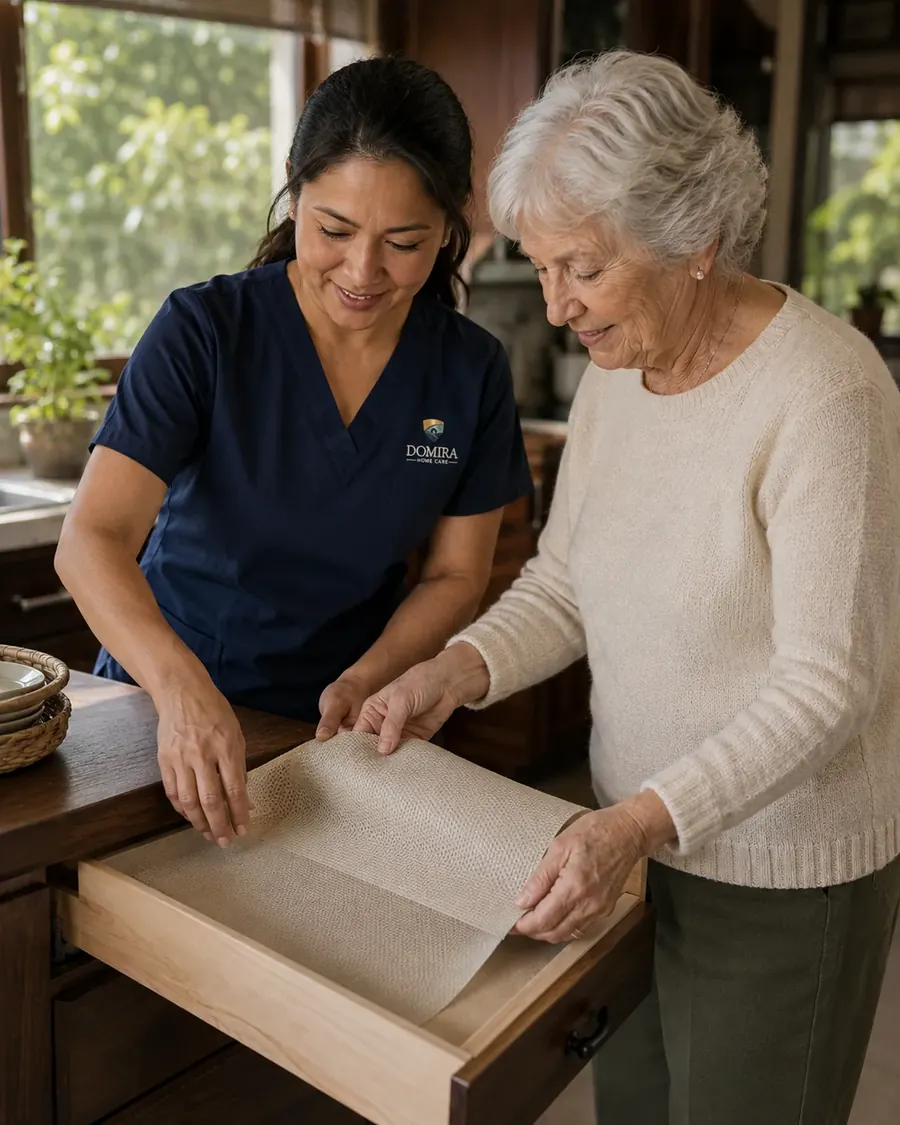
Homemaking services support the household tasks that make independent living possible.
A person can be independent with bathing and dressing and still struggle to keep meals, laundry, groceries, and the home itself on track.
These household tasks are often described as instrumental activities of daily living, or IADLs. Texas Health and Human Services describes IADLs as activities that allow a person to live independently in the community, including cleaning and maintaining the house, preparing meals, and shopping for groceries.
For families, the practical question is not whether an older adult can technically complete a chore. It is whether doing it is safe, sustainable, and leaving enough energy for the rest of the day.
What a homemaking caregiver can help with
Meal preparation
Planning and preparing familiar meals, reheating food, simple food preparation, hydration support, and cleanup after meals.
Groceries and household supplies
Shopping from a list, accompanying the client, coordinating routine errands, and putting groceries away according to household preferences.
Laundry and linens
Washing, drying, folding, putting away clothing, and routine linen changes so laundry does not accumulate.
Light housekeeping
Dishes, counters, dusting, sweeping or vacuuming common areas, bathroom tidying, trash, and other routine upkeep within the care plan.
Kitchen and pantry routines
Keeping frequently used spaces usable, checking basic supplies, simple refrigerator or pantry organization, and cleaning up after meal preparation.
Everyday organization
Keeping commonly used items accessible, helping sort routine mail or household reminders, and restoring order without taking control of the person's home.
Homemaking is household support, not hands-on personal care or a cleaning crew.
| Service | Main focus | Examples |
|---|---|---|
| Homemaking | Household routines and IADLs | Meals, laundry, groceries, dishes, light housekeeping, simple organization |
| Companion care | Connection, supervision, routine, community life | Conversation, activities, outings, transportation, reminders, shared meals |
| Personal care | Hands-on activities of daily living | Bathing, dressing, grooming, toileting, mobility, transfers |
| House cleaning | Cleaning the property itself | Deep cleaning, heavy scrubbing, specialty cleaning, major seasonal projects |
| Home health | Skilled clinical care when eligibility requirements are met | Skilled nursing, therapy, wound care, other ordered clinical services |
Homemaking often becomes useful before a family thinks of the situation as “care.”
Tasks such as laundry, vacuuming, grocery bags, and meal preparation may take more effort or create avoidable strain.
The refrigerator may be poorly stocked, cooking may feel like too much work, or a person may rely on snacks because preparing a full meal has become tiring.
Adult children may spend most visits catching up on laundry, groceries, dishes, and cleaning instead of spending meaningful time together.
After hospitalization, surgery, illness, or rehabilitation, the person may temporarily need practical support while strength and routine return.
Unfinished laundry, dishes, clutter, spoiled food, missed errands, or a growing list of deferred chores can signal that the routine needs reinforcement.
Homemaking can be folded into companion or personal-care visits so the same caregiver supports the person and the household routine.
What can a homemaking visit look like?
The best visit is organized around priorities rather than trying to clean the entire house.
A caregiver might begin a load of laundry, prepare lunch, clean the kitchen, change bed linens, make a grocery list with the client, shop for a few essentials, put groceries away, and finish with light tidying in the rooms the person uses most.
If the client also receives companion or personal care, those services can happen during the same visit. A caregiver may prepare breakfast, provide a medication reminder, help with dressing, handle laundry, and accompany the client to the grocery store. The care plan should reflect the actual mix rather than forcing the day into separate categories.
Medicare generally does not pay for stand-alone homemaking or custodial care.
Families often assume any help delivered in the home is “home health.” Medicare uses a narrower definition.
Medicare states that its home health benefit does not pay for homemaker services such as shopping and cleaning when they are unrelated to a covered home health care plan, and it does not pay for custodial or personal care when that is the only care a person needs.
Private-pay home care fills a different role. It focuses on the daily-living support that may be needed even when no skilled clinical service is required.
Questions families often ask
What are homemaking services for seniors?
Homemaking services are non-medical household supports that help an older adult keep daily life running at home. Common tasks include meal preparation, groceries, laundry, dishes, light housekeeping, errands, and simple organization.
Is homemaking the same as house cleaning?
No. Homemaking supports the person's daily routine and commonly used living spaces. It is not a substitute for deep cleaning, heavy seasonal cleaning, repairs, yardwork, or specialty cleaning services.
Can homemaking be combined with companion or personal care?
Yes. Many home-care visits naturally combine meal preparation, laundry, conversation, reminders, transportation, and hands-on personal care according to the care plan.
Does homemaking include cooking?
Meal planning and preparation are common homemaking tasks. The caregiver can work within the person's preferences and instructions already provided to the care plan, while medical nutrition treatment belongs with the appropriate clinician.
Will Medicare pay for homemaking services?
Medicare says its home health benefit does not pay for homemaker services such as shopping and cleaning when they are unrelated to a covered home health care plan, and it does not cover custodial or personal care when that is the only care needed. Families should verify current coverage with Medicare or their health plan.
How do we decide which homemaking tasks should be prioritized?
Start with the tasks that affect meals, hygiene, usable living space, clean clothing and linens, groceries, and the routines the person depends on most. A home care assessment can turn that list into a realistic visit plan.
Sources and scope
Texas Health and Human Services: Personal Assistance Services and IADLs
Medicare: Home Health Services Coverage
This guide describes routine non-medical homemaking support. Exact tasks depend on the provider's scope, the care plan, and the household situation.
Continue the planning conversation
Would a little practical help make home easier to manage?
Domira can help you identify which household routines need support and whether homemaking should stand alone or be combined with companion or personal care.
Schedule a Free Consultation