
Hospice and Home Care: How They Work Together at Home
Hospice and private home care can support the same person for different reasons. Hospice manages end-of-life care and the clinical plan related to the terminal illness. Private non-medical home care can add longer blocks of practical, hands-on support between hospice visits when the family needs more help with everyday life.
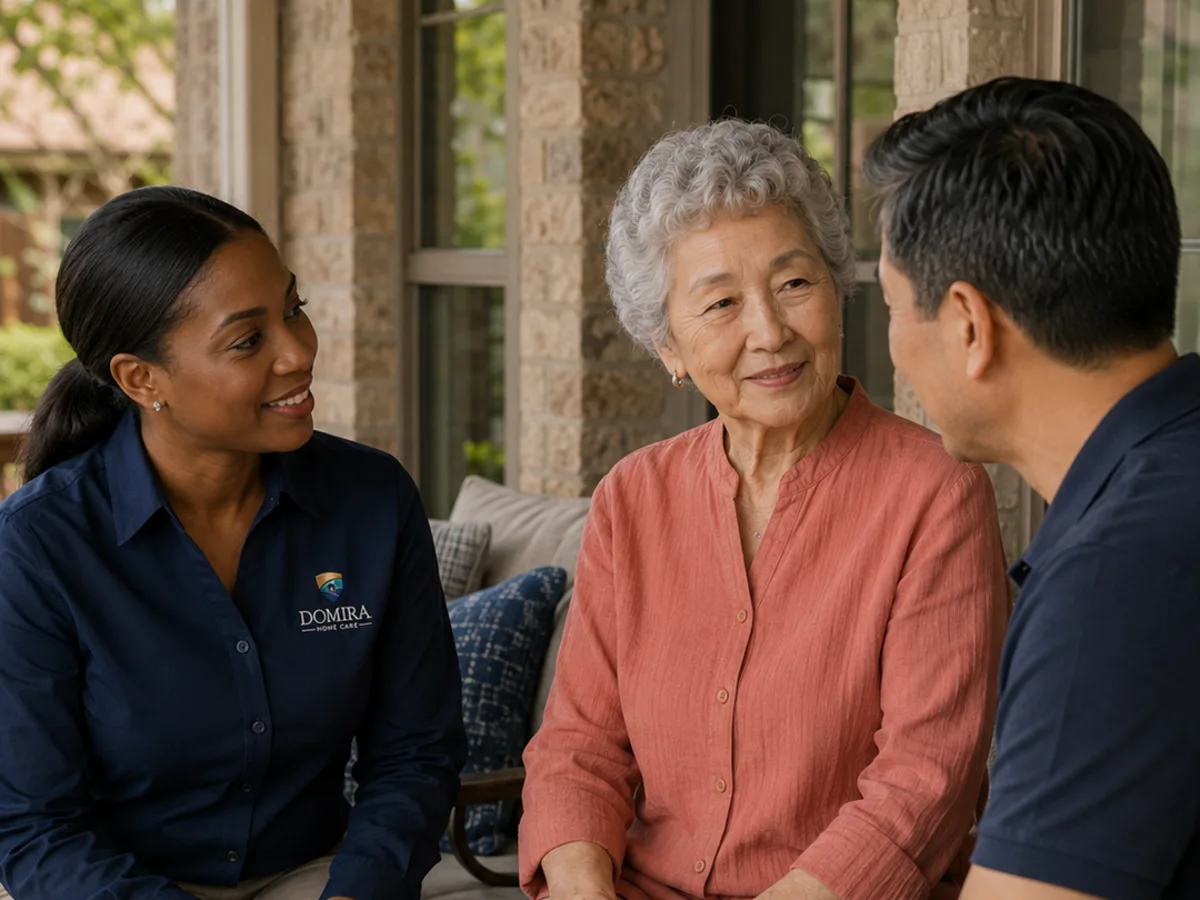
Hospice and home care can work alongside each other without doing the same job.
The clearest way to think about the relationship is clinical hospice care plus additional daily-living support.
Medicare describes hospice as end-of-life care for people with terminal illnesses who choose comfort-focused care. The hospice team creates and manages the plan of care for the terminal illness and related conditions.
Private-pay non-medical home care is different. It does not provide hospice, diagnose conditions, manage symptoms, or replace hospice nursing. It provides scheduled help with the daily routines and caregiver presence a family may want beyond the hospice team's visits.
What does hospice provide at home?
The exact services depend on the patient's hospice plan of care, but Medicare hospice can include a broad interdisciplinary set of services.
Physician and nursing care
Hospice clinicians direct comfort-focused care, assess symptoms, and manage the clinical plan related to the terminal illness and related conditions.
Medications, equipment, and supplies
The benefit can include drugs for pain and symptom management, durable medical equipment, and medical supplies related to the hospice plan.
Hospice aide and homemaker services
Hospice can include aide and homemaker services according to the individualized plan of care. The amount and frequency are determined by the hospice plan, not by a promise of continuous bedside presence.
Social, spiritual, and grief support
Medical social services, dietary counseling, spiritual counseling, and grief and loss counseling can be part of the hospice benefit.
Therapy when appropriate
Physical, occupational, and speech-language pathology services can be included when they are part of the hospice plan and focused on comfort or function.
Short-term inpatient and respite care
Hospice can arrange short-term inpatient symptom management and inpatient respite care when Medicare conditions are met.
Does hospice provide 24-hour care at home?
Not as a routine around-the-clock caregiver benefit.
Hospice visits follow the hospice plan
Routine home care is the standard hospice level when the patient is at home and not in a crisis requiring continuous home care. It does not mean hospice staff remain in the home continuously.
A short-term crisis level of hospice care
CMS describes continuous home care as care used during brief periods of crisis to maintain the patient at home. It requires at least eight hours of care in a day and consists mainly of nursing care.
When a family wants predictable caregiver presence for longer daily blocks, awake overnight support, or shift-based 24-hour non-medical coverage outside a hospice crisis level, that is where a separately arranged home care schedule may be useful.
More time for the everyday care that continues between hospice visits
Personal care
Bathing, dressing, grooming, toileting, continence routines, and other hands-on activities of daily living according to the non-medical care plan.
Mobility and positioning support
Help with routine walking, transfers, repositioning, and getting to commonly used areas when those tasks are within the caregiver's plan and competency.
Meals and hydration
Meal preparation, feeding assistance when appropriate to the plan, hydration routines, kitchen cleanup, and keeping preferred foods within reach.
Companionship and presence
Conversation, quiet presence, reassurance, familiar routines, music, reading, or simply having another person in the home while family rests or attends to other responsibilities.
Household support
Laundry, dishes, light housekeeping, linens, supplies, and the ordinary household tasks that still need to happen during hospice care.
Longer shifts and overnight coverage
Scheduled extended-hour, awake overnight, or shift-based 24-hour non-medical coverage can provide a consistent presence when the family needs more hours than routine hospice visits provide.
Hospice vs. private home care at home
| Need | Hospice team | Private non-medical home care |
|---|---|---|
| Pain and symptom management | Hospice clinical responsibility | Observe and report; does not manage symptoms |
| Hospice medications | Hospice manages the medication plan | Medication reminders only within Domira scope |
| Medical equipment and supplies | Hospice arranges covered items related to the hospice plan | Can help keep routine supplies organized, but does not prescribe or supply hospice medical equipment |
| Bathing, dressing, toileting | Hospice aide services may address these needs according to the hospice plan | Can provide additional scheduled personal care according to the home care plan |
| Meals, laundry, household routines | Some homemaker support may be included according to hospice plan | Can provide scheduled ongoing household and meal support |
| Routine overnight or 24-hour presence | Not the standard routine hospice model; continuous home care is for brief crisis periods | Can be privately scheduled as awake overnight or shift-based 24-hour non-medical care |
| Family relief | Hospice includes short-term inpatient respite when eligible | Can provide in-home respite or recurring caregiver coverage purchased by the family |
The hospice team should know who else is providing care in the home.
Medicare requires hospice care related to the terminal illness to be provided by or arranged through the elected hospice.
A supplementary home care agency should not create a competing clinical plan. The hospice remains the point of contact for pain, breathing changes, medication questions, symptom crises, and other clinical concerns related to the terminal illness.
With the family's authorization, the home care team can communicate meaningful observations to the hospice. That may include changes in eating, mobility, sleep, personal care, behavior, skin concerns noticed during routine care, or caregiver workload. The hospice clinicians decide whether the hospice plan needs to change.
Before adding private home care to hospice, clarify the gaps you are trying to solve.
- Which services and visit frequency are included in the current hospice plan?
- Who should the family call for pain, breathing changes, medication questions, or other symptoms?
- Which personal-care or homemaker tasks is the hospice currently providing?
- How much time is the family caregiver currently covering each day and overnight?
- Which hours are most difficult to cover reliably?
- Would a few scheduled visits, an extended shift, awake overnight care, or continuous shift coverage solve the practical gap?
- How should the private caregiver communicate observations to the hospice team?
Hospice and home care questions
Can a person have hospice and private home care at the same time?
Yes. A family can use private-pay non-medical home care alongside hospice when the roles are kept clear and coordinated. The hospice remains responsible for hospice care related to the terminal illness and its plan of care, while the private home care provider supplies additional non-medical support purchased by the family.
What does hospice provide at home?
Depending on the hospice plan of care, Medicare hospice can include physician and nursing services, medical equipment and supplies, medications for pain and symptom management, hospice aide and homemaker services, therapy, social services, dietary and spiritual counseling, grief support, and short-term inpatient or respite care.
Does hospice provide 24-hour care at home?
Routine hospice home care does not mean a hospice staff member remains in the home around the clock. Medicare hospice includes continuous home care during brief periods of crisis when needed to keep the patient at home, and that care is mainly nursing. Families needing predictable daily, overnight, or 24-hour non-medical presence may need a separate support plan.
What can private home care add when someone is on hospice?
Private non-medical home care can add scheduled help with bathing, dressing, toileting, mobility, meals, hydration, companionship, light housekeeping, laundry, medication reminders, supervision, family relief, awake overnight care, and shift-based 24-hour coverage according to the care plan.
Can a Domira caregiver manage pain medications or hospice symptoms?
No. Domira caregivers provide medication reminders only and do not administer medications or replace hospice nursing. Pain, breathing changes, medication questions, symptom crises, or other clinical concerns should be reported to the hospice team according to the hospice plan.
How should the hospice team and home care agency communicate?
The family should tell the hospice team about supplementary private caregivers and make responsibilities clear. With appropriate authorization, meaningful observations from the home care team can be shared with hospice so the hospice clinicians can decide whether the clinical plan needs to change.
Is hospice respite care the same as hiring an in-home caregiver for respite?
No. Under Medicare hospice, inpatient respite is short-term care in an approved facility, generally for up to five consecutive days at a time, to give the usual caregiver a break. Private in-home respite is a separate non-medical service arranged and paid for outside that hospice benefit unless another payer applies.
Sources and scope
Medicare: Hospice Care Coverage
CMS: Medicare Hospice Services and Levels of Care
This guide explains how separately arranged non-medical home care can supplement hospice. Domira is not a hospice provider and does not provide skilled nursing, symptom management, or medication administration.
Continue the planning conversation
Hospice can manage the clinical plan while another caregiver helps carry the day.
Domira can help a family identify the practical hours and daily-living tasks that are not being covered consistently, then coordinate non-medical support around the hospice plan.
Schedule a Free Consultation